

-
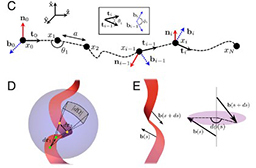 Statistics and topology of fluctuating ribbons. Ee Hou Yong, Farisan Dary, Luca Giomi and L. Mahadevan, Proceedings of the National Academy of Sciences. 119(32), e2122907119, August 2, 2022
[ONLINE ARTICLE] [DOI] [View PDF] [Download PDF] Ribbons are a class of slender structures whose length, width, and thickness are widely separated from each other. This scale separation gives a ribbon unusual mechanical properties in athermal macroscopic settings, for example, it can bend without twisting, but cannot twist without bending. Given the ubiquity of ribbon-like biopolymers in biology and chemistry, here we study the statistical mechanics of microscopic inextensible, fluctuating ribbons loaded by forces and torques. We show that these ribbons exhibit a range of topologically and geometrically complex morphologies exemplified by three phases—a twist-dominated helical phase (HT), a writhe-dominated helical phase (HW), and an entangled phase—that arise as the applied torque and force are varied. Furthermore, the transition from HW to HT phases is characterized by the spontaneous breaking of parity symmetry and the disappearance of perversions (that correspond to chirality-reversing localized defects). This leads to a universal response curve of a topological quantity, the link, as a function of the applied torque that is similar to magnetization curves in second-order phase transitions. -
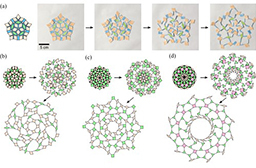 Quasicrystal kirigami. Lucy Liu, Gary P. T. Choi and L. Mahadevan, Phys. Rev. Research, 4(3), 033114 – Published 10 August 2022
[ONLINE ARTICLE] [DOI] [View PDF] [Download PDF] Kirigami, the art of introducing cuts in thin sheets to enable articulation and deployment, has become an inspiration for a novel class of mechanical metamaterials with unusual properties. Here we complement the use of periodic tiling patterns for kirigami designs by showing that quasicrystals can also serve as the basis for designing deployable kirigami structures, and analyze the geometrical, topological, and mechanical properties of these aperiodic kirigami structures. -
 The ecology and evolution of human-wildlife cooperation. Dominic L. Cram, Jessica E. M. van der Wal, Natalie Uomini, Mauricio Cantor, Anap I. Afan, Mairenn C. Attwood, Jenny Amphaeris, Fatima Balasani, Cameron J. Blair, Judith L. Bronstein, Iahaia O. Buanachique, Rion R. T. Cuthill, Jewel Das, Fábio G. Daura-Jorge, Apurba Deb, Tanmay Dixit, Gcina S. Dlamini, Edmond Dounias, Isa I. Gedi, Martin Gruber, Lilian S. Hoffmann, Tobias Holzlehner, Hussein A. Isack, Eliupendo A. Laltaika, David J. Lloyd-Jones, Jess Lund, Alexandre M. S. Machado, L. Mahadevan, Ignacio B. Moreno, Chima J. Nwaogu ,Raymond Pierotti, Seliano A. Rucunua, Wilson F. dos Santos, Nathalia Serpa, Brian D. Smith, Hari Sridhar, Irina Tolkova, Tint Tun, João V. S. Valle-Pereira, Brian M. Wood, Richard W. Wrangham and Claire N. Spottiswoode. People Nature, August 2022, 841-855, 4,(4)
[ONLINE ARTICLE] [DOI] [View PDF] [Download PDF]- Human-wildlife cooperation is a type of mutualism in which a human and a wild, free-living animal actively coordinate their behaviour to achieve a common beneficial outcome.
- While other cooperative human-animal interactions involving captive coercion or artificial selection (including domestication) have received extensive attention, we lack integrated insights into the ecology and evolution of human-wildlife cooperative interactions.
- Here, we review and synthesise the function, mechanism, development, and evolution of human-wildlife cooperation.
- Active cases involve people cooperating with greater honeyguide birds and with two dolphin species, while historical cases involve wolves and orcas.
- In all cases, a food source located by the animal is made available to both species by a tool-using human, coordinated with cues or signals.
- The mechanisms mediating the animal behaviours involved are unclear, but they may resemble those underlying intraspecific cooperation and reduced neophobia.
- The skills required appear to develop at least partially by social learning in both humans and the animal partners. As a result, distinct behavioural variants have emerged in each type of human-wildlife cooperative interaction in both species, and human-wildlife cooperation is embedded within local human cultures.
- We propose multiple potential origins for these unique cooperative interactions, and highlight how shifts to other interaction types threaten their persistence.
- Finally, we identify key questions for future research. We advocate an approach that integrates ecological, evolutionary and anthropological perspectives to advance our understanding of human-wildlife cooperation. In doing so, we will gain new insights into the diversity of our ancestral, current and future interactions with the natural world.
-
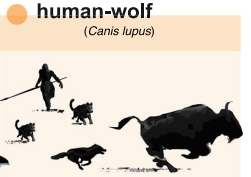 Safeguarding human–wildlife cooperation. Jessica E. M. van der Wal, Claire N. Spottiswoode, Natalie T. Uomini, Mauricio Cantor, Fábio G. Daura-Jorge, Anap I. Afan, Mairenn C. Attwood, Jenny Amphaeris, Fatima Balasani, Colleen M. Begg, Cameron J. Blair, Judith L. Bronstein, Iahaia O. Buanachique, Rion R. T. Cuthill, Jewel Das, Apurba Deb, Tanmay Dixit, Gcina S. Dlamini, Edmond Dounias, Isa I. Gedi, Martin Gruber, Lilian S. Hoffmann, Tobias Holzlehner, Hussein A. Isack, Eliupendo A. Laltaika, David J. Lloyd-Jones, Jess Lund, Alexandre M.S.Machado, L. Mahadevan, Ignacio B. Moreno, Chima J. Nwaogu, Valdomiro L. Pereira, Raymond Pierotti, Seliano A. Rucunua, Wilson F. dos Santos, Nathalia Serpa, Brian D. Smith, Irina Tolkova, Tint Tun, João V. S. Valle-Pereira, Brian M. Wood, Richard W. Wranghama and Dominic L. Cram. Conservation Letters, July/August 2022,15(4), e12886
[ONLINE ARTICLE] [DOI] [View PDF] [Download PDF] Human–wildlife cooperation occurs when humans and free-living wild animals actively coordinate their behavior to achieve a mutually beneficial outcome. These interactions provide important benefits to both the human and wildlife communities involved, have wider impacts on the local ecosystem, and represent a unique intersection of human and animal cultures. The remaining active forms are human–honeyguide and human–dolphin cooperation, but these are at risk of joining several inactive forms (including human–wolf and human–orca cooperation). Human–wildlife cooperation faces a unique set of conservation challenges, as it requires multiple components—a motivated human and wildlife partner, a suitable environment, and compatible interspecies knowledge—which face threats from ecological and cultural changes. To safeguard human–wildlife cooperation, we recommend: (i) establishing ethically sound conservation strategies together with the participating human communities; (ii) conserving opportunities for human and wildlife participation; (iii) protecting suitable environments; (iv) facilitating cultural transmission of traditional knowledge; (v) accessibly archiving Indigenous and scientific knowledge; and (vi) conducting long-term empirical studies to better understand these interactions and identify threats. Tailored safeguarding plans are therefore necessary to protect these diverse and irreplaceable interactions. Broadly, our review highlights that efforts to conserve biological and cultural diversity should carefully consider interactions between human and animal cultures. -
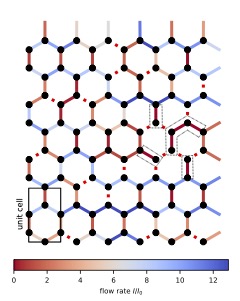 Balancing efficiency and homogeneity of biomaterial transport in networks. S. Liese, L. Mahadevan and A. Carlson. Europhysics Letters, Vol. 135 | No. 5
[ONLINE ARTICLE] [DOI] [View PDF] [Download PDF] Transport of biomaterial in tubular networks is ubiquitous in nature, where examples include the endoplasmic reticulum, leaf venation or vessel networks in vertebrates. Flow feedback by adjustment of the local tube radius in response to a fluid flow is a pivotal mechanism to optimize the transport properties of a network. To describe liquid transport in tubular networks we develop a minimal mathematical model, which includes the interplay of the viscous flow feedback and the tubes elastic bending energy while conserving the network material. Flow feedback in pitted, branched and loopy networks is shown to lower their resistance, as compared to a feedback-free system, by local adaptations without the need for additional network material. Flow feedback in particular reduces the resistance in pitted and branched networks, directly linked with a reduction in the effective number of neighboring tubes. In loopy networks we find a direction-dependent flow resistance, with a prevailing transport direction set by the network geometry. -
 Geometric control of topological dynamics in a singing saw. Suraj Shankar, Petur Bryde and L. Mahadevan. Proceedings of the National Academy of Sciences, Vol. 119 | No. 17
[ONLINE ARTICLE] [DOI] [View PDF] [Download PDF] A common handsaw can be converted into a bowed musical instrument capable of producing exquisitely sustained notes when its blade is appropriately bent. Acoustic modes localized at an inflection point are known to underlie the saw’s sonorous quality, yet the origin of localization has remained mysterious. Here we uncover a topological basis for the existence of localized modes that relies on and is protected by spatial curvature. By combining experimental demonstrations, theory, and computation, we show how spatial variations in blade curvature control the localization of these trapped states, allowing the saw to function as a geometrically tunable high-quality oscillator. Our work establishes an unexpected connection between the dynamics of thin shells and topological insulators and offers a robust principle to design high-quality resonators across scales,from macroscopic instruments to nanoscale devices, simply through geometry. -
 Rectified random cell motility as a mechanism for embryo elongation. Ido Regev, Karine Guevorkian, Anupam Gupta, Olivier Pourquie and L. Mahadevan. Development (2022) 149, dev199423.
[ONLINE ARTICLE] [DOI] [View PDF] [Download PDF] The body of vertebrate embryos forms by posterior elongation from a terminal growth zone called the tail bud. The tail bud is a source of highly motile cells that eventually constitute the presomitic mesoderm (PSM), a tissue that plays an important role in elongation movements. PSM cells establish an anterior-posterior cell motility gradient that parallels a gradient associated with the degradation of a specific cellular signal (FGF) known to be implicated in cell motility. Here, we combine the electroporation of fluorescent reporters in the PSM with time-lapse imaging in the chicken embryo to quantify cell diffusive movements along the motility gradient. We show that a simple microscopic model for random cell motility induced by FGF activity along with geometric confinement leads to rectified tissue elongation consistent with our observations. A continuum analog of the microscopic model leads to a macroscopic mechano-chemical model for tissue extension that couples FGF activity-induced cell motility and tissue rheology, and is consistent with the experimentally observed speed and extent of elongation. Together, our experimental observations and theoretical models explain how the continuous addition of cells at the tail bud combined with lateral confinement can be converted into oriented movement and drive body elongation -
 Combing a double helix. Thomas B. Plumb-Reyes, Nicholas Charles and L. Mahadevan. Soft Matter. 2022 18, 2767.
[ONLINE ARTICLE] [DOI] [View PDF] [Download PDF] Combing hair involves brushing away the topological tangles in a collective curl, defined as a bundle of interacting elastic filaments. Using a combination of experiment and computation, we study this problem that naturally links topology, geometry and mechanics. Observations show that the dominant interactions in hair are those of a two-body nature, corresponding to a braided homochiral double helix. This minimal model allows us to study the detangling of an elastic double helix driven by a single stiff tine that moves along it and leaves two untangled filaments in its wake. Our results quantify how the mechanics of detangling correlates with the dynamics of a topological quantity, the link density, that propagates ahead of the tine and flows out the free end as a link current. This in turn provides a measure of the maximum characteristic length of a single combing stroke in the many-body problem on a head of hair, producing an optimal combing strategy that balances trade-offs between comfort, efficiency and speed of combing in hair curls of varying geometrical and topological complexity. -
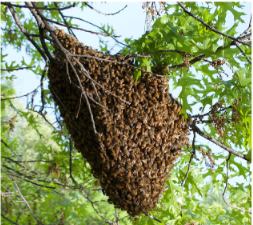 Thermoregulatory morphodynamics of honeybee swarm clusters. Jacob M. Peters, Orit Peleg and L. Mahadevan. Journal of Experimental Biology (2022) 225, jeb242234
[ONLINE ARTICLE] [DOI] [View PDF] [Download PDF] During reproductive swarming, honeybee clusters of more than 10,000 individuals that hang from structures in the environment (e.g. tree branches) are exposed to diurnal variations in ambient temperature for up to a week. Swarm clusters collectively modulate their morphology in response to these variations (i.e. expanding/ contracting in response to heating/cooling) to maintain their internal temperature within a tolerable range and to avoid exhausting their honey stores prematurely. To understand the spatiotemporal aspects of thermoregulatory morphing, we measured the change in size, shape and internal temperature profiles of swarm clusters in response to dynamic temperature ramp perturbations. Swarm clusters showed a two-fold variation in their volume/density when heated from 15°C to 30°C. However, they did not reach an equilibrium size or shape when held at 30°C for 5 h, long after the core temperature of the cluster had stabilized. Furthermore, the changes in cluster shape and size were hysteretic, contracting in response to cooling faster than expanding in response to heating. Although the base contact diameter of the cluster increased continuously when the swarm was heated, the change in length of the swarm (base to tip) over time was non- monotonic. Consequently, the aspect ratio of the swarm fluctuated continuously even when held at a constant temperature. Taken together, our results quantify the hysteretic and anisotropic morphological responses of swarm clusters to ambient temperature variations while suggesting that both mechanical constraints and heat transfer govern their thermoregulatory morphodynamics. -
 Euclid’s Random Walk: Developmental Changes in the Use of Simulation for Geometric Reasoning. Yuval Hart, L. Mahadevan, Moira R. Dillon. Cognitive Science 46 (2022) e13070
[DOI] [View PDF] [Download PDF] Euclidean geometry has formed the foundation of architecture, science, and technology for millennia, yet the development of human’s intuitive reasoning about Euclidean geometry is not well understood. The present study explores the cognitive processes and representations that support the development of humans’ intuitive reasoning about Euclidean geometry. One-hundred-twenty-five 7- to 12-year-old children and 30 adults completed a localization task in which they visually extrapolated missing parts of fragmented planar triangles and a reasoning task in which they answered verbal questions about the general properties of planar triangles. While basic Euclidean principles guided even young children’s visual extrapolations, only older children and adults reasoned about triangles in ways that were consistent with Euclidean geometry. Moreover, a relation beteen visual extrapolation and reasoning appeared only in older children and adults. Reasoning consistent with Euclidean geometry may thus emerge when children abandon incorrect, axiomatic-based reasoning strategies and come to reason using mental simulations of visual extrapolations. -
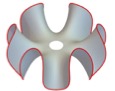 Geometrical dynamics of edge-driven accretive surface growth C. Nadir Kaplan and L. Mahadevan. Proceedings of the Royal Society A. January 2022. Volume 478 Issue 2257.
[ONLINE ARTICLE] [DOI] [View PDF] [Download PDF] Accretion of mineralized thin wall-like structures via localized growth along their edges is observed in physical and biological systems ranging from molluscan and brachiopod shells to carbonate–silica composite precipitates. To understand the shape of these mineralized structures, we develop a mathematical framework that treats the thin-walled shells as a smooth surface left in the wake of the growth front that can be described as an evolving space curve. Our theory then takes an explicit geometric form for the prescription of the velocity of the growth front curve, along with compatibility relations and a closure equation related to the nature of surface curling. Solutions of these equations capture a range of geometric precipitate patterns seen in abiotic and biotic forms across scales. In addition to providing a framework for the growth and form of these thin-walled morphologies, our theory suggests a new class of dynamical systems involving moving space curves that are compatible with non-Euclidean embeddings of surfaces. -
 A buckling-sheet ring oscillator for electronics-free, multimodal locomotion. Won-Kyu Lee, Daniel J. Preston, Markus P. Nemitz1, Amit Nagarkar, Arthur K. MacKeith, Benjamin Gorissen, Nikolaos Vasios, Vanessa Sanchez2, Katia Bertoldi , L. Mahadevan , George M. Whitesides. Sci. Robot. 7, eabg5812 (2022).
[View PDF] [Download PDF] Locomotion of soft robots typically relies on control of multiple inflatable actuators by electronic computers and hard valves. Soft pneumatic oscillators can reduce the demand on controllers by generating complex movements required for locomotion from a single, constant input pressure, but either have been constrained to low rates of flow of air or have required complex fabrication processes. Here, we describe a pneumatic oscillator fabricated from flexible, but inextensible, sheets that provides high rates of airflow for practical locomotion by combining three instabilities: out-of-plane buckling of the sheets, kinking of tubing attached to the sheets, and a system-level instability resulting from connection of an odd number of pneumatic inverters made from these sheets in a loop. This device, which we call a “buckling-sheet ring oscillator” (BRO), directly generates movement from its own interaction with its surroundings and consists only of readily available materials assembled in a simple process— specifically, stacking acetate sheets, nylon film, and double-sided tape, and attaching an elastomeric tube. A device incorporating a BRO is capable of both translational and rotational motion over varied terrain (even without a tether) and can climb upward against gravity and downward against the buoyant force encountered under water. -
 Geometry and dynamics link form, function and evolution of finch beaks. S. al-Mosleh, G.P.T. Choi, A. Abzhanov and L. Mahadevan. Proc. Natl. Acad. Sci. (118) 46, e2105957118, 2021.
[ONLINE ARTICLE] [View PDF] [Download PDF] Darwin’s finches are a classic example of adaptive radiation, exemplified by their adaptive and functional beak morphologies. To quantify their form, we carry out a morphometric analysis of the three-dimensional beak shapes of all of Darwin’s finches and find that they can be fit by a transverse parabolic shape with a curvature that increases linearly from the base toward the tip of the beak. The morphological variation of beak orientation, aspect ratios, and curvatures allows us to quantify beak function in terms of the elementary theory of machines, consistent with the dietary variations across finches. Finally, to explain the origin of the evolutionary morphometry and the developmental morphogenesis of the finch beak, we propose an experimentally motivated growth law at the cellular level that simplifies to a variant of curvature-driven flow at the tissue level and captures the range of observed beak shapes in terms of a simple morphospace. Altogether, our study illuminates how a minimal combination of geometry and dynamics allows for functional form to develop and evolve. -
 Instabilities and patterns in a submerged jelling jet. A. Chakrabarti, S. Al-Mosleh, and L. Mahadevan. Soft Matter, 2021,17, 9745.
[DOI] [View PDF] [Download PDF] When a thin stream of aqueous sodium alginate is extruded into a reacting calcium chloride bath, it polymerizes into a soft elastic tube that spontaneously forms helical coils due to the ambient fluid drag. We quantify the onset of this drag-induced instability and its nonlinear evolution using experiments, and explain the results using a combination of scaling, theory and simulations. By co-extruding a second (internal) liquid within the aqueous sodium alginate jet and varying the rates of co-extrusion of the two liquids, as well as the diameter of the jet, we show that we can tune the local composition of the composite filament and the nature of the ensuing instabilities to create soft filaments of variable relative buoyancy, shape and mechanical properties. All together, by harnessing the fundamental varicose (jetting) and sinuous (buckling) instabilities associated with the extrusion of a jelling filament, we show that it is possible to print complex three-dimensional filamentous structures in the ambient fluid. -
 Totimorphic assemblies from neutrally stable units. G. Chaudhary, S. Ganga Prasath, E. Soucy, and L. Mahadevan. Proc. Natl. Acad. Sci. (118) 42, e2107003118, 2021.
[ONLINE ARTICLE] [View PDF] [Download PDF] Inspired by the quest for shape-shifting structures in a range of applications, we show how to create morphable structural materials using a neutrally stable unit cell as a building block. This unit cell is a self-stressed hinged structure with a one-parameter family of morphing motions that are all energetically equivalent. However, unlike kinematic mechanisms, the unit cell is not infinitely floppy and instead exhibits a tunable mechanical response akin to that of an ideal rigid-plastic material. Theory and simulations allow us to explore the properties of planar and spatial assemblies of neutrally stable elements, and solve the inverse problem of designing assemblies that can morph from one given shape into another. Simple experimental prototypes of these assemblies corroborate our theoretical results and show that the addition of switchable hinges allows us to create load-bearing structures. Altogether, totimorphs pave the way for structural materials whose geometry and deformation response can be controlled independently and at multiple scales. -
 Compact reconfigurable kirigami. G.P. T. Choi , L.H. Dudte, and L. Mahadevan. Phys. Rev. Res., 3, 043030, 2021.
[View PDF] [Download PDF] Kirigami involves cutting a flat, thin sheet that allows it to morph from a closed, compact configuration into an open deployed structure via coordinated rotations of the internal tiles. By recognizing and generalizing the geometric constraints that enable this art form, we propose a design framework for compact reconfigurable kirigami patterns, which can morph from a closed and compact configuration into a deployed state conforming to any prescribed target shape, and subsequently be contracted into a different closed and compact configuration. We further establish a condition for producing kirigami patterns and mechanisms which are reconfigurable and rigid deployable allowing us to connect the compact states via a zero-energy family of deployed states. All together, our inverse design framework lays out a path for the creation of shape-morphing material structures. -
 The cusp of the apple. A. Chakrabarti, T.C.T. Michaels, E. Sun, S. Yin and L. Mahadevan, Nature Physics, 17, 1125-29, 2021.
[ONLINE ARTICLE] [DOI] [View PDF] [Download PDF] Singularities are common in diverse physical systems1 and lead to universal structures. This universality suggests that they should also naturally arise in biological systems, where active growth, autonomous motion, kinesis and taxis focus deformations in spacetime, as exemplified in the morpho- genetic processes determining biological size and shape4. A familiar example of a morphogenetic singularity is seen in the humble apple, which forms in the neighbourhood of the stalk as the apple grows. Here we study the geometry and morpho- genesis of the cusp of an apple by combining observations of fruit growth with a simple theory, finite element simulations and controlled swelling experiments using a physical gel sim- ulacrum. Our observations show that the axisymmetric cusp develops into a self-similar form, which can be understood in terms of a mechanical theory for the inhomogeneous growth of a soft sphere. Physical experiments using local inhibition in swelling gels corroborate our theoretical predictions. These experiments further show that axisymmetric cusps can lose stability and become lobed. We use simulations to show that the number of cuspidal lobes depends on the ratio of the size of the stalk to the size of the sphere, as well as the amplitude and periodicity of perturbations that mimic the role of fruit anatomy, consistent with observations of multi-cusped fruits. -
 Feedback control of protein aggregation. A. J. Dear, T.C. T. Michaels, T. P. J. Knowles, and L. Mahadevan, J. Chem. Phys. 155, 064102 (2021)
[DOI] [View PDF] [Download PDF] The self-assembly of peptides and proteins into amyloid fibrils plays a causative role in a wide range of increasingly common and currently incurable diseases. The molecular mechanisms underlying this process have recently been discovered, prompting the development of drugs that inhibit specific reaction steps as possible treatments for some of these disorders. A crucial part of treatment design is to determine how much drug to give and when to give it, informed by its efficacy and intrinsic toxicity. Since amyloid formation does not proceed at the same pace in different individuals, it is also important that treatment design is informed by local measurements of the extent of protein aggregation. Here, we use stochastic optimal control theory to determine treatment regimens for inhibitory drugs targeting several key reaction steps in protein aggregation, explicitly taking into account variability in the reaction kinetics. We demonstrate how these regimens may be updated “on the fly” as new measurements of the protein aggregate concentration become available, in principle, enabling treatments to be tailored to the individual. We find that treatment timing, duration, and drug dosage all depend strongly on the particular reaction step being targeted. Moreover, for some kinds of inhibitory drugs, the optimal regimen exhibits high sensitivity to stochastic fluctuations. Feedback controls tailored to the individual may therefore substantially increase the effectiveness of future treatments. -
 Book Review Think Before You Compute: A Prelude to Computational Fluid Dynamics, E. J. Hinch, in Physics Today, July 2021.
[View PDF] [Download PDF] some detail, along with other important factors, such as private patronage from wealthy figures who were unhealthily obsessed with the hypothetical phenom-enon of antigravity. The renaissance of general relativity rovides a rich case study for thinking about fundamental problems of scien-tific change. How are theories used and not used? What is the difference between healthy and withering research pro-grams? Can the resurgence of a heory be explained by new observational discov-eries? Technological advances? Individ-ual personalities? Social and political de-velopments? The book is a great cross section of those different approaches, which will make it valuable to scholars in history and sociology of physics—although it might set a fairly high methodological barrier to entry for non-specialist readers. Nevertheless, The Re - naissance of General Relativity in Context will ickly become a classic in the his-tory of the field, and it will perhaps spur new research programs of its own. -
 An additive algorithm for origami design. L.H. Dudte, G. P. T. Choi, and L. Mahadevan, Proc. Natl. Acad. Sci. (118) 21, e2019241118, 2021.
[DOI] [View PDF] [Download PDF] Inspired by the allure of additive fabrication, we pose the problem of origami design from a different perspective: How can we grow a folded surface in three dimensions from a seed so that it is guaranteed to be isometric to the plane? We solve this problem in two steps: by first identifying the geometric conditions for the compatible completion of two separate folds into a single developable fourfold vertex, and then showing how this foundation allows us to grow a geometrically compatible front at the boundary of a given folded seed. This yields a complete marching, or additive, algorithm for the inverse design of the complete space of developable quad origami patterns that can be folded from flat sheets. We illustrate the flexibility of our approach by growing ordered, disordered, straight, and curved-folded origami and fitting surfaces of given curvature with folded approximants. Overall, our simple shift in perspective from a global search to a local rule has the potential to transform origami-based metastructure design. -
 Puckering and wrinkling in a growing composite ring. T. C. T. Michaels, R. Kusters L. Mahadevan, Proc. R. Soc. A, 477, 20200999, 2021
[DOI] [View PDF] [Download PDF] Pattern formation driven by differential strain in constrained elastic systems is a common motif in many technological and biological systems. Here we introduce a biologically motivated case of elastic patterning that allows us to explore the conditions for the existence of local puckering and global wrinkling patterns: a soft growing composite ring adhered elastically to a constraining rigid ring. We explore how differential growth of the soft ring and the elastic resistance to shear and stretching deformations induced by soft adherence lead to a range of phenomena that include uniform aperture-like modes, localized puckers that are Nambu–Goldstone-like modes and global wrinkles in the system. Our analysis combines computer simulations of a discrete rod model with a nonlinear stability analysis of the differential equations in the continuum limit. We provide phase diagrams and scaling relations that reveal the nature and extent of the deformation patterns. Overall, our study reveals how geometry and mechanics conspire to yield a rich phenomenology that could serve as a guide to the design of programmable localized elastic deformations while being relevant for the mechanical basis of biological morphogenesis. -
 Genetic architecture of floral traits in bee- and hummingbird-pollinated sister species of Aquilegia (columbine). M.B. Edwards, G. P. T. Choi, N. J. Derieg, Y. Min, A. C. Diana, S. A. Hodges, L. Mahadevan, E. M. Kramer, and E. S. Ballerini, Evolution, 75 (9): 2197–2216, 2021.
[DOI] [View PDF] [Download PDF] Interactions with animal pollinators have helped shape the stunning diversity of flower morphologies across the angiosperms. A common evolutionary consequence of these interactions is that some flowers have converged on suites of traits, or pollination syndromes, that attract and reward specific pollinator groups. Determining the genetic basis of these floral pollination syndromes can help us understand the processes that contributed to the diversification of the angiosperms. Here, we characterize the genetic architecture of a bee-to-hummingbird pollination shift in Aquilegia (columbine) using QTL mapping of 17 floral traits encompassing color, nectar composition, and organ morphology. In this system, we find that the genetic architectures underlying differences in floral color are quite complex, and we identify several likely candidate genes involved in anthocyanin and carotenoid floral pigmentation. Most morphological and nectar traits also have complex genetic underpinnings; however, one of the key floral morphological phenotypes, nectar spur curvature, is shaped by a single locus of large effect. -
 A measure of morphodynamics. M. Serra and L. Mahadevan, SIAM News, Volume 54/ Issue 3 April 2021.
[View PDF] [Download PDF] -
 Static adhesion hysteresis in elastic structures. E. Memet, F. Hilitski, Z. Dogic and L. Mahadevan, Soft Matter, DOI: 10.1039/d0sm02192j, 2021.
[DOI] [View PDF] [Download PDF] Adhesive interactions between elastic structures such as graphene sheets, carbon nanotubes, and microtubules have been shown to exhibit hysteresis due to irrecoverable energy loss associated with bond breakage, even in static (rate-independent) experiments. To understand this phenomenon, we start with a minimal theory for the peeling of a thin sheet from a substrate, coupling the local event of bond breaking to the nonlocal elastic relaxation of the sheet and show that this can drive static adhesion hysteresis over a bonding/debonding cycle. Using this model we quantify hysteresis in terms of the adhesion and elasticity parameters of the system. This allows us to derive a scaling relation that preserves hysteresis at different levels of granularity while resolving a seeming paradox of lattice trapping in the continuum limit of a discrete fracture process. Finally, to verify our theory, we use new experiments to demonstrate and measure adhesion hysteresis in bundled microtubules. -
 Elastic-instability enabled locomotion. A. Nagarkar, W-K. Lee, D. Preston, M. Nemitz, N. Deng, G. Whitesides and L. Mahadevan, Proc. Natl. Acad. Sci., e2013801118, 2021.
[ONLINE ARTICLE] [View PDF] [Download PDF] Locomotion of an organism interacting with an environment is the consequence of a symmetry-breaking action in space-time. Here we show a minimal instantiation of this principle using a thin cir- cular sheet, actuated symmetrically by a pneumatic source, using pressure to change shape nonlinearly via a spontaneous buckling instability. This leads to a polarized, bilaterally symmetric cone that can walk on land and swim in water. In either mode of loco- motion, the emergence of shape asymmetry in the sheet leads to an asymmetric interaction with the environment that generates movement––via anisotropic friction on land, and via directed iner- tial forces in water. Scaling laws for the speed of the sheet of the actuator as a function of its size, shape, and the frequency of ac- tuation are consistent with our observations. The presence of eas- ily controllable reversible modes of buckling deformation further allows for a change in the direction of locomotion in open arenas and the ability to squeeze through confined environments––both of which we demonstrate using simple experiments. Our simple approach of harnessing elastic instabilities in soft structures to drive locomotion enables the design of novel shape-changing ro- bots and other bioinspired machines at multiple scales. -
 Wallpaper group kirigami. L. Liu, G. P. T. Choi, and L. Mahadevan, Proc. R. Soc. A, 477, 20210161, 2021.
[DOI] [View PDF] [Download PDF] Kirigami, the art of paper cutting, has become a paradigm for mechanical metamaterials in recent years. The basic building blocks of any kirigami structures are repetitive deployable patterns that derive inspiration from geometric art forms and simple planar tilings. Here, we complement these approaches by directly linking kirigami patterns to the symmetry associated with the set of 17 repeating patterns that fully characterize the space of periodic tilings of the plane. We start by showing how to construct deployable kirigami patterns using any of the wallpaper groups, and then design symmetry-preserving cut patterns to achieve arbitrary size changes via deployment. We further prove that different symmetry changes can be achieved by controlling the shape and connectivity of the tiles and connect these results to the underlying kirigami-based lattice structures. All together, our work provides a systematic approach for creating a broad range of kirigami-based deployable structures with any prescribed size and symmetry properties. -
 Self-organized biotectonics of termite nests. A. Heyde, L. Guo, C. Jost, G. Theraulaz and L. Mahadevan, Proc. Natl. Acad. Sci., , 2021.
[ONLINE ARTICLE] [DOI] [View PDF] [Download PDF] The termite nest is one of the architectural wonders of the liv- ing world, built by the collective action of workers in a colony. Each nest has several characteristic structural motifs that allow for efficient ventilation, cooling, and traversal. We use tomography to quantify the nest architecture of the African termite Apicotermes lamani, consisting of regularly spaced floors connected by scattered linear and helicoidal ramps. To understand how these elaborate structures are built and arranged, we formulate a minimal model for the spatiotemporal evolution of three hydrodynamic fields—mud, termites, and pheromones— linking environmental physics to collective building behavior using simple local rules based on experimental observations. We find that floors and ramps emerge as solutions of the governing equations, with statistics consistent with observations of A. lamani nests. Our study demonstrates how a local self-reinforcing biotectonic scheme is capable of generating an architecture that is simultaneously adaptable and functional, and likely to be relevant for a range of other animal-built structures. -
 Models for benthic bipedalism. F. Giardina and L. Mahadevan, Royal Society - Interface 18: 20200701, 2021.
[ONLINE ARTICLE] [DOI] [View PDF] [Download PDF] Walking is a common bipedal and quadrupedal gait and associated with terrestrial and aquatic organisms. Inspired by recent evidence of the neural underpinnings of primitive aquatic walking in the little skate Leucoraja erinacea, we introduce a theoretical model of aquatic walking that reveals robust and efficient gaits with modest requirements for body morphology and control. The model predicts undulatory behaviour of the system body with a regular foot placement pattern, which is also observed in the animal, and additionally predicts the existence of gait bistability between two states, one with a large energetic cost for locomotion and another associated with almost no energetic cost. We show that these can be discovered using a simple reinforcement learning (RL) scheme. To test these theoretical frameworks, we built a bipedal robot and show that its behaviours are similar to those of our minimal model: its gait is also periodic and exhibits bistability, with a low efficiency gait separated from a high efficiency gait by a ‘jump’ transition. Overall, our study highlights the physical constraints on the evolution of walking and provides a guide for the design of efficient biomimetic robots. -
 Control of connectivity and rigidity in prismatic assemblies. P. T. Choi, S. Chen and L. Mahadevan, Proc. R. Soc. A 476: 20200485, 2020.
[ONLINE ARTICLE] [DOI] [View PDF] [Download PDF] How can we manipulate the topological connectivity of a three-dimensional prismatic assembly to control the number of internal degrees of freedom and the number of connected components in it? To answer this question in a deterministic setting, we use ideas from elementary number theory to provide a hierarchical deterministic protocol for the control of rigidity and connectivity. We then show that it is possible to also use a stochastic protocol to achieve the same results via a percolation transition. Together, these approaches provide scale-independent algorithms for the cutting or gluing of three-dimensional prismatic assemblies to control their overall connectivity and rigidity. -
 Mechanical coupling coordinates the co-elongation of axial and paraxial tissues in avian embryos. F. Xiong, W. Ma, B. Benazeraf, L. Mahadevan, and O. Pourquie. Dev. Cell. 55, 354–366, 2020.
[ONLINE ARTICLE] [DOI] [View PDF] [Download PDF] Tissues undergoing morphogenesis impose mechanical effects on one another. How developmental programs adapt to or take advantage of these effects remains poorly explored. Here, using a combination of live imaging, modeling, and microsurgical perturbations, we show that the axial and paraxial tissues in the forming avian embryonic body coordinate their rates of elongation through mechanical interactions. First, a cell motility gradient drives paraxial presomitic mesoderm (PSM) expansion, resulting in compression of the axial neural tube and notochord; second, elongation of axial tissues driven by PSM compression and polarized cell intercalation pushes the caudal progenitor domain posteriorly; finally, the axial push drives the lateral movement of midline PSM cells to maintain PSM growth and cell motility. These interactions form an engine-like positive feedback loop, which sustains a shared elongation rate for coupled tissues. Our results demonstrate a key role of inter-tissue forces in coordinating distinct body axis tissues during their co-elongation. -
 Flow-driven branching in a frangible porous medium. N. Derr, D. Fronk, C. Weber, A. Mahadevan, C. Rycroft and L. Mahadevan, Phys. Rev. Lett., 125, 158002, 2020.
[DOI] [View PDF] [Download PDF] Channel formation and branching is widely seen in physical systems where movement of fluid through a porous structure causes the spatiotemporal evolution of the medium. We provide a simple theoretical framework that embodies this feedback mechanism in a multiphase model for flow through a frangible porous medium with a dynamic permeability. Numerical simulations of the model show the emergence of branched networks whose topology is determined by the geometry of external flow forcing. This allows us to delineate the conditions under which splitting and/or coalescing branched network formation is favored, with potential implications for both understanding and controlling branching in soft frangible media. -
 Coordinated crawling via reinforcement learning. S. Mishra, W. van Rees, L. Mahadevan, Royal Society-Interface, 17: 20200198, 2020.
[View PDF] [Download PDF] Rectilinear crawling locomotion is a primitive and common mode of loco- motion in slender soft-bodied animals. It requires coordinated contractions that propagate along a body that interacts frictionally with its environment. We propose a simple approach to understand how this coordination arises in a neuromechanical model of a segmented, soft-bodied crawler via an itera- tive process that might have both biological antecedents and technological relevance. Using a simple reinforcement learning algorithm, we show that an initial all-to-all neural coupling converges to a simple nearest-neighbour neural wiring that allows the crawler to move forward using a localized wave of contraction that is qualitatively similar to what is observed in Drosophila melanogaster larvae and used in many biomimetic solutions. The resulting solution is a function of how we weight gait regularization in the reward, with a trade-off between speed and robustness to proprioceptive noise. Overall, our results, which embed the brain–body–environment triad in a learning scheme, have relevance for soft robotics while shedding light on the evolution and development of locomotion. -
 Mechanical basis for fibrillar bundle morphology. T. Michaels, E. Memet, and L. Mahadevan, Soft Matter , 16, 9306-18, 2020.
[ONLINE ARTICLE] [DOI] [View PDF] [Download PDF] Understanding the morphology of self-assembled fibrillar bundles and aggregates is relevant to a range of problems in molecular biology, supramolecular chemistry and materials science. Here, we propose a coarse-grained approach that averages over specific molecular details and yields an effective mechanical theory for the spatial complexity of self-assembling fibrillar structures that arises due to the competing effects of (the bending and twisting) elasticity of individual filaments and the adhesive interactions between them. We show that our theoretical framework accounting for this allows us to capture a number of diverse fibril morphologies observed in natural and synthetic systems, ranging from Filopodia to multi-walled carbon nanotubes, and leads to a phase diagram of possible fibril shapes. We also show how the extreme sensitivity of these morphologies can lead to spatially chaotic structures. Together, these results suggest a common mechanical basis for mesoscale fibril morphology as a function of the nanoscale mechanical properties of its filamentous constituents. -
 Optimal control of aging in complex networks E. Sun, T. Michaels, and L. Mahadevan, Proc. Natl. Acad. Sci., 117, 20404-410, 2020.
[ONLINE ARTICLE] [View PDF] [Download PDF] Many complex systems experience damage accumulation, which leads to aging, manifest as an increasing probability of system collapse with time. This naturally raises the question of how to maximize health and longevity in an aging system at minimal cost of maintenance and intervention. Here, we pose this question in the context of a simple interdependent network model of aging in complex systems and show that it exhibits cascading failures. We then use both optimal control theory and reinforcement learning alongside a combination of analysis and simulation to determine optimal maintenance protocols. These protocols may motivate the rational design of strategies for promoting longevity in aging complex systems with potential applications in therapeutic schedules and engineered system maintenance. -
 Elastohydrodynamic scaling law for heart rates. E. Virot, V. Spandan, L. Niu, W. M. van Rees, and L. Mahadevan, Phys. Rev. Lett., 125, 058102, 2020.
[DOI] [View PDF] [Download PDF] Animal hearts are soft shells that actively pump blood to oxygenate tissues. Here, we propose an allometric scaling law for the heart rate based on the idea of elastohydrodynamic resonance of a fluid-loaded soft active elastic shell that buckles and contracts axially when twisted periodically. We show that this picture is consistent with numerical simulations of soft cylindrical shells that twist-buckle while pumping a viscous fluid, yielding optimum ejection fractions of 35%–40% when driven resonantly. Our scaling law is consistent with experimental measurements of heart rates over 2 orders of magnitude, and provides a mechanistic basis for how metabolism scales with organism size. In addition to providing a physical rationale for the heart rate and metabolism of an organism, our results suggest a simple design principle for soft fluidic pumps. -
 Self-excited motions of volatile drops on swellable sheets A. Chakrabarti, G.P-T. Choi, and L. Mahadevan, Phys Rev Lett., 124, 258002, 2020.
[DOI] [View PDF] [Download PDF] When a volatile droplet is deposited on a floating swellable sheet, it becomes asymmetric, lobed and mobile. We describe and quantify this phenomena that involves nonequilibrium swelling, evaporation and motion, working together to realize a self-excitable spatially extended oscillator. Solvent penetration causes the film to swell locally and eventually buckle, changing its shape and the drop responds by moving. Simultaneously, solvent evaporation from the swollen film causes it to regain its shape once the droplet has moved away. The process repeats and leads to complex pulsatile spinning and/or sliding movements. We use a one-dimensional experiment to highlight the slow swelling of and evaporation from the film and the fast motion of the drop, a characteristic of excitable systems. Finally, we provide a phase diagram for droplet excitability as a function of drop size and film thickness and scaling laws for the motion of the droplet. -
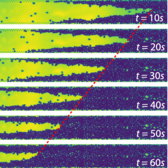 Suspension jams in a leaky microfluidic channel. J. S. Yodh, V. Spandan, and L. Mahadevan, Phys. Rev. Lett. 125, 044501, 2020.
[DOI] [View PDF] [Download PDF] Inspired by the jamming in leaky systems that arises in many physiological and industrial settings, we study the propagation of clogs in a leaky microfluidic channel. By driving a colloidal suspension through such a channel with a fluid-permeable wall adjoining a gutter, we follow the formation and propagation of jams and show that they move at a steady speed, in contrast with jams in channels that have impermeable walls. Furthermore, by varying the ratio of the resistance from the leaky wall and that of the gutter, we show that it is possible to control the shape of the propagating jam, which is typically wedge shaped. We complement our experiments with numerical simulations, where we implement an Euler-Lagrangian framework for the simultaneous evolution of both immersed colloidal particles and the carrier fluid. Finally, we show that the particle ordering in the clog can be tuned by adjusting the geometry of the leaky wall. Altogether, the leaky channel serves both as a filter and a shunt with the potential for a range of uses. -
 Early warning signals in motion inference. Y. Hart, M. Vaziri-Pashkam, and L. Mahadevan, PLOS Computational Biology, 16 (5), 2020.
[DOI] [View PDF] [Download PDF] The ability to infer intention lies at the basis of many social interactions played out via motor actions. We consider a simple paradigm of this ability in humans using data from experiments simulating an antagonistic game between an Attacker and a Blocker. Evidence shows early inference of an Attacker move by as much as 100ms but the nature of the informational cues signaling the impending move remains unknown. We show that the transition to action has the hallmark of a critical transition that is accompanied by early warning signals. These early warning signals occur as much as 130 ms before motion ensues—showing a sharp rise in motion autocorrelation at lag-1 and a sharp rise in the autocorrelation decay time. The early warning signals further correlate strongly with Blocker response times. We analyze the variance of the motion near the point of transition and find that it diverges in a manner consistent with the dynamics of a fold-transition. To test if humans can recognize and act upon these early warning signals, we simulate the dynamics of fold-transition events and ask people to recognize the onset of directional motion: participants react faster to fold-transition dynamics than to its uncorrelated counterpart. Together, our findings suggest that people can recognize the intent and onset of motion by inferring its early warning signals. -
 Mechanics and kinetics of dynamic instability. T.C.T. Michaels, S. Feng, H. Liang, and L Mahadevan, eLife, 9:e54077, 2020.
[DOI] [View PDF] [Download PDF] During dynamic instability, self-assembling microtubules (MTs) stochastically alternate between phases of growth and shrinkage. This process is driven by the presence of two distinct states of MT subunits, GTP- and GDP-bound tubulin dimers, that have different structural properties. Here, we use a combination of analysis and computer simulations to study the mechanical and kinetic regulation of dynamic instability in three-dimensional (3D) self-assembling MTs. Our model quantifies how the 3D structure and kinetics of the distinct states of tubulin dimers determine the mechanical stability of MTs. We further show that dynamic instability is influenced by the presence of quenched disorder in the state of the tubulin subunit as reflected in the fraction of non-hydrolysed tubulin. Our results connect the 3D geometry, kinetics and statistical mechanics of these tubular assemblies within a single framework, and may be applicable to other self-assembled systems where these same processes are at play. -
 Rotation of a submerged finite cylinder moving down a soft incline. B. Saintyves, B. Rallabandi, T. Jules, J. Ault, T. Salez, C. Schonecker, H. A. Stone and L. Mahadevan, Soft Matter, 16, 4000-06, 2020.
[DOI] [View PDF] [Download PDF] A submerged finite cylinder moving under its own weight along a soft incline lifts off and slides at a steady velocity while also spinning. Here, we experimentally quantify the steady spinning of the cylinder and show theoretically that it is due to a combination of an elastohydrodynamic torque generated by flow in the variable gap, and the viscous friction on the edges of the finite-length cylinder. The relative influence of the latter depends on the aspect ratio of the cylinder, the angle of the incline, and the deformability of the substrate, which we express in terms of a single scaled compliance parameter. By independently varying these quantities, we show that our experimental results are consistent with a transition from an edge-effect dominated regime for short cylinders to a gap-dominated elastohydrodynamic regime when the cylinder is very long. -
 Deterministic and stochastic control of kirigami topology S. Chen, P. T. Choi, L. Mahadevan, Proc. Natl. Acad. Sci., 117 (9) 4511-4517, 2020.
[DOI] [View PDF] [Download PDF] Kirigami, the creative art of paper cutting, is a promising paradigm for mechanical metamaterials. However, to make kirigami-inspired structures a reality requires controlling the topology of kirigami to achieve connectivity and rigidity. We address this question by deriving the maximum number of cuts (minimum number of links) that still allow us to preserve global rigidity and connectivity of the kirigami. A deterministic hierarchical construction method yields an efficient topological way to control both the number of connected pieces and the total degrees of freedom. A statistical approach to the control of rigidity and connectivity in kirigami with random cuts complements the deterministic pathway, and shows that both the number of connected pieces and the degrees of freedom show percolation transitions as a function of the density of cuts (links). Together, this provides a general framework for the control of rigidity and connectivity in planar kirigami. -
 Poisson’s ratio and residual strain of freestanding ultra-thin films. G. K.Cuddalorepatta, W. M.van Rees, L. Han, D. Pantuso, and L. Mahadevan, Joost J. Vlassak, J. Mech. Phys. Solids, 137, 103821, 2020.
[DOI] [View PDF] [Download PDF] The Poisson’s ratio and residual strain of ultra-thin films (<100 nm) are characterized using the phenomenon of transverse wrinkling in stretched bridges. The test methodology utilizes residual stress driven structures and easy to replicate clean-room fabrication and metrology techniques that can be seamlessly incorporated into a thin-film production assembly line. Freestanding rectangular ultra-thin film bridges are fabricated using dimensions that generate repeatable transverse wrinkling patterns. Numerical modeling based on the non-linear Koiter plate and shell energy formulation is conducted to correlate the Poisson’s ratio and residual strain to the measured wrinkling deformation. Poisson’s ratio affects the peak amplitudes without significantly changing the wavelength of the wrinkles. By contrast, the strain affects both the wavelength and amplitude. The proof of concept is demonstrated using 65 nm thick copper films. A Poisson’s ratio of 0.34 ± 0.05 and a tensile residual strain of -
 Biophysical principles of choanoflagellate self-organization. B. T. Larson, T. Ruiz-Herrero , S. Lee , S. Kumar, and L. Mahadevan, and N. King, Proc. Natl. Acad. Sci.,
[DOI] [View PDF] [Download PDF] Inspired by the patterns of multicellularity in choanoflagellates, the closest living relatives of animals, we quantify the biophysical processes underlying the morphogenesis of rosette colonies in the choanoflagellate Salpingoeca rosetta. We find that rosettes reproducibly transition from an early stage of 2-dimensional (2D) growth to a later stage of 3D growth, despite the underlying variability of the cell lineages. Our perturbative experiments demonstrate the fundamental importance of a basally secreted extracellular matrix (ECM) for rosette morphogenesis and show that the interaction of the ECM with cells in the colony physically constrains the packing of proliferating cells and, thus, controls colony shape. Simulations of a biophysically inspired model that accounts for the size and shape of the individual cells, the fraction of ECM, and its stiffness relative to that of the cells suffices to explain our observations and yields a morphospace consistent with observations across a range of multicellular choanoflagellate colonies. Overall, our biophysical perspective on rosette development complements previous genetic perspectives and, thus, helps illuminate the interplay between cell biology and physics in regulating morphogenesis. -
 Dynamic morphoskeletons in development. M. Serra, S. Streichan, M. Chuai, C. J. Weijer, and L. Mahadevan, Proc. Natl. Acad. Sci., 117, 11444–11449, 2020.
[DOI] [View PDF] [Download PDF] Morphogenetic flows in developmental biology are characterized by the coordinated motion of thousands of cells that organize into tissues, naturally raising the question of how this collective organization arises. Using only the kinematics of tissue deformation, which naturally integrates local and global mechanisms along cell paths, we identify the dynamic morphoskeletons behind morphogenesis, i.e., the evolving centerpieces of multicellular trajectory patterns. These features are model- and parameter-free, frame-invariant, and robust to measurement errors and can be computed from unfiltered cell-velocity data. We reveal the spatial attractors and repellers of the embryo by quantifying its Lagrangian deformation, information that is inaccessible to simple trajectory inspection or Eulerian methods that are local and typically frame-dependent. Computing these dynamic morphoskeletons in wild-type and mutant chick and fly embryos, we find that they capture the early footprint of known morphogenetic features, reveal new ones, and quantitatively distinguish between different phenotypes. -
 Topology, geometry and mechanics of strongly stretched and twisted filaments: solenoids, plectonemes, and artificial muscle fibers. N. Charles, M. Gazzola, L. Mahadevan, Phys. Rev. Lett. , 123, 208003, 2020.
[DOI] [View PDF] [Download PDF] Soft elastic filaments that can be stretched, bent, and twisted exhibit a range of topologically and geometrically complex morphologies. Recently, a number of experiments have shown how to use these building blocks to create filament-based artificial muscles that use the conversion of writhe to extension or contraction, exposing the connection between topology, geometry, and mechanics. Here, we combine numerical simulations of soft elastic filaments that account for geometric nonlinearities and self-contact to map out the basic structures underlying artificial muscle fibers in a phase diagram that is a function of the extension and twist density. We then use ideas from computational topology to track the interconversion of link, twist, and writhe in these geometrically complex physical structures to explain the physical principles underlying artificial muscle fibers and provide guidelines for their design. -
 Computational analysis of size, shape and structure of insect wings. M.K. Salcedo, J. Hoffmann, S. Donoughe and L. Mahadevan, Biology Open 8, bio040774, 2019.
[DOI] [View PDF] [Download PDF] The size, shape and structure of insect wings are intimately linked to their ability to fly. However, there are few systematic studies of the variability of the natural patterns in wing morphology across insects. We have assembled a dataset of 789 insect wings with representatives from 25 families and performed a comprehensive computational analysis of their morphology using topological and geometric notions in terms of (i) wing size and contour shape, (ii) vein topology, and (iii) shape and distribution of wing membrane domains. These morphospaces are complementary to existing methods for quantitatively characterizing wing morphology and are likely to be useful for investigating wing function and evolution. This Methods and Techniques paper is accompanied by a set of computational tools for open use. -
 Shape-shifting structured lattices via multimaterial 4D printing. J.W. Boley, W.M. van Rees, C. Lissandrello, M.N. Horenstein, R.L. Truby, A. Kotikian, J.A. Lewis, and L. Mahadevan, Proc. Natl. Acad. Sci., 116 (42) 20856-20862, 2019.
[ONLINE ARTICLE] [View PDF] [Download PDF] Thin shape-shifting structures are often limited in their ability to morph into complex and doubly curved shapes. Such transformations require both large in-plane expansion or contraction gradients and control over extrinsic curvature, which are hard to achieve with single materials arranged in simple architectures. We solve this problem by 4-dimensional printing of multiple materials in heterogeneous lattice designs. Our material system provides a platform that achieves in-plane growth and out-of-plane curvature control for 4-material bilayer ribs. The lattice design converts this into large growth gradients, which lead to complex, predictable 3-dimensional (3D) shape changes. We demonstrate this approach with a hemispherical antenna that shifts resonant frequency as it changes shape and a flat lattice that transforms into a 3D human face. -
 Size control of the inner ear via hydraulic feedback. K.R. Mosaliganti, I. A. Swinburne, C.U. Chan, N.D. Obholzer, A. A. Green, S. Tanksale, L Mahadevan, and S.G. Megason, eLife 2019;8:e39596. 2019.
[DOI] [View PDF] [Download PDF] Animals make organs of precise size, shape, and symmetry but how developing embryos do this is largely unknown. Here, we combine quantitative imaging, physical theory, and physiological measurement of hydrostatic pressure and fluid transport in zebrafish to study size control of the developing inner ear. We find that fluid accumulation creates hydrostatic pressure in the lumen leading to stress in the epithelium and expansion of the otic vesicle. Pressure, in turn, inhibits fluid transport into the lumen. This negative feedback loop between pressure and transport allows the otic vesicle to change growth rate to control natural or experimentally-induced size variation. Spatiotemporal patterning of contractility modulates pressure-driven strain for regional tissue thinning. Our work connects molecular-driven mechanisms, such as osmotic pressure driven strain and actomyosin tension, to the regulation of tissue morphogenesis via hydraulic feedback to ensure robust control of organ size. -
 Controlled gliding and perching through deep-reinforcement-learning. G.Novati, L. Mahadevan, and P. Koumoutsakos, Physical Review Fluids 4, 093902, 2019.
[View PDF] [Download PDF] Controlled gliding is one of the most energetically efficient modes of transportation for natural and human powered fliers. Here we demonstrate that gliding and landing strategies with different optimality criteria can be identified through deep-reinforcement-learning without explicit knowledge of the underlying physics. We combine a two-dimensional model of a controlled elliptical body with deep-reinforcement-learning (D-RL) to achieve gliding with either minimum energy expenditure, or fastest time of arrival, at a predetermined location. In both cases the gliding trajectories are smooth, although energy/time optimal strategies are distinguished by small/high frequency actuations. We examine the effects of the ellipse's shape and weight on the optimal policies for controlled gliding. We find that the model-free reinforcement learning leads to more robust gliding than model-based optimal control strategies with a modest additional computational cost. We also demonstrate that the gliders with D-RL can generalize their strategies to reach the target location from previously unseen starting positions. The model-free character and robustness of D-RL suggests a promising framework for developing robotic devices capable of exploiting complex flow environments. -
 Genetic and Mechanical Regulation of Intestinal Smooth Muscle Development T. R. Huycke, B.M. Miller, H. K. Gill, N. L. Nerurkar, D. Sprinzak, L. Mahadevan, C. J., Cell 179, 90–105. 2019.
[DOI] [View PDF] [Download PDF] The gastrointestinal tract is enveloped by concentric and orthogonally aligned layers of smooth muscle; however, an understanding of the mechanisms by which these muscles become patterned and aligned in the embryo has been lacking. We find that Hedgehog acts through Bmp to delineate the position of the circumferentially oriented inner muscle layer, whereas localized Bmp inhibition is critical for allowing formation of the later-forming, longitudinally oriented outer layer. Because the layers form at different developmental stages, the muscle cells are exposed to unique mechanical stimuli that direct their alignments. Differential growth within the early gut tube generates residual strains that orient the first layer circumferentially, and when formed, the spontaneous contractions of this layer align the second layer longitudinally. Our data link morphogen-based patterning to mechanically controlled smooth muscle cell alignment and provide a mechanistic context for potentially understanding smooth muscle organization in a wide variety of tubular organs.

 Prof. L. Mahadevan
Pierce Hall 322
Harvard University
29 Oxford Street
Cambridge, MA 02138
lmahadev@g.harvard.edu
(617) 496-9599
 Follow us on Twitter